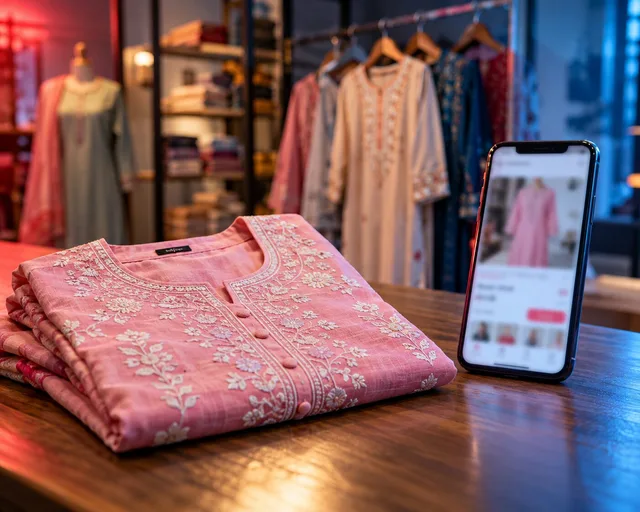
According to the District Police Office, Kaski, the customer was attracted by an inexpensive clothing offer posted through a TikTok account named “Sandhya Collection 35.” What began as a small online purchase turned into a major financial loss after the customer was repeatedly instructed to transfer money.
Police said the seller demanded additional payments under the pretext of advance charges. The customer eventually lost Rs 442,000 while attempting to complete the purchase.
Police Arrest 17-Year-Old Suspect
Following a complaint, Kaski Police launched an investigation into the fraudulent transactions.
Police arrested a 17-year-old suspect in connection with the case and initiated legal proceedings. Separate police-based reports state that the teenager was arrested in Dhanusha and brought to Pokhara for investigation.
The investigation also identified the use of WhatsApp to communicate with potential customers. According to police reports, buyers were asked to deposit money and, in some cases, provide one-time passwords (OTPs) after being told that their payments had not been received.
The Kaski District Court granted police five days to investigate the teenager in connection with the alleged fraud.
Police Warn of Growing Online Shopping Scams
Kaski Police have expressed concern over increasing complaints of online fraud, particularly involving sellers operating through TikTok, Facebook and Instagram.
Deputy Superintendent of Police Birendra Paswan, spokesperson for Kaski Police, said online fraud complaints have been rising compared with the previous year.
Police have urged consumers to avoid transferring advance payments to unfamiliar sellers and to verify whether online businesses are legitimate before placing orders.
Authorities also recommend using reliable shopping platforms, choosing payment after delivery whenever possible, and never sharing OTPs or other sensitive banking information.
The case highlights how an apparently inexpensive online purchase can result in a substantial financial loss when fraudsters exploit consumers' trust.
Police have encouraged anyone affected by similar fraudulent transactions to contact the relevant authorities and report suspicious accounts.